-sharmouta Sodanya Www Dhalam Info By Gblawy Flv- [updated] -
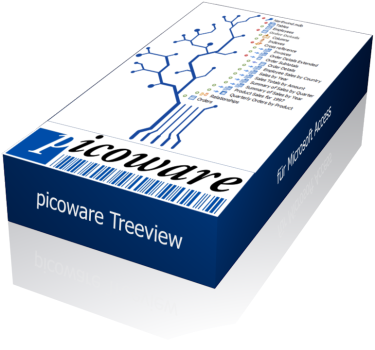
native Access - available as source code! 
native Access - available as source code!
...and even without any other external ressource
Get the demo that matches your Access...


...or apply our 20% discount code OnTV immediatedly!

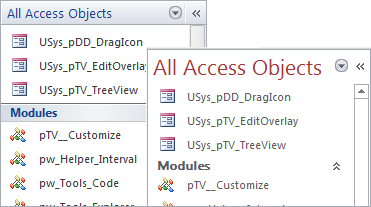
No ActiveX - no OCX - no DLL!
Where ever you have Access, this treeview works!
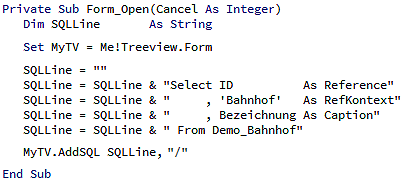
The treeview is directly connected to your database.
You insert nodes with just a SQL statement.
Options are set with and additional field in SQL.
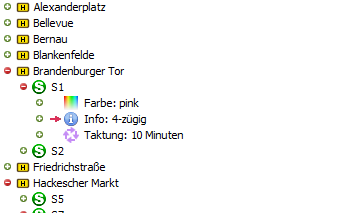
Help your users to focus on their objectives by guiding them with your own, dedicated icons!
...and keep it simple for you - handle your icons with copy & paste. Paint is good enough!
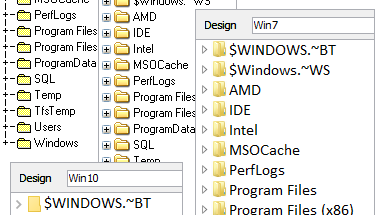
There are lots of styles for navigation in treeviews - you master them all!
Use one of the styles included in our package or design your own
It's as simple as copy & paste icons!
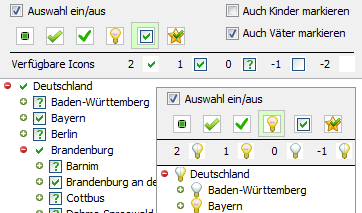
Checkboxes are icons for 'ON' and 'OFF' - just two...
...we have improved that!
Choose any icon set that matches your state context and use as many states as you need.
You even can create your own state icon sets
...it's copy & paste!
Colors can indicate relations or metrics.
You can use all RGB colors as background and each item can have a different one!
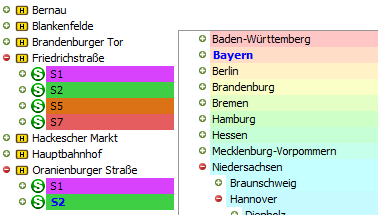

Belief it or not - even this is a fully functional treeview!
If you want to organize a huge amount of items without any effort - use the automatic grouping option. It creates an optimized alphabetic index for tens of thousands of nodes within seconds.
...or supply your own grouping, if you can derive it from your data.
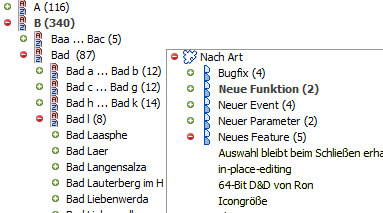
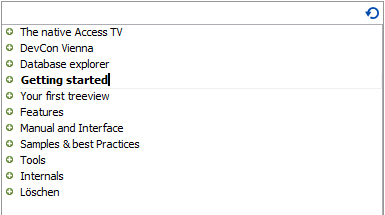
Need more interaction? Give edit capabilities to your users and let them change the caption of your items.
The treeview keeps you informed about changes so you know, what to store in your database.
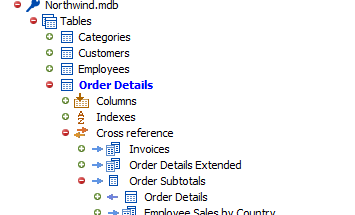
When you drill down into a treeview, every node you open reveals the next level of information.
So - what would you see, if your node was an Access database?
We did a little brainstorming...
...just download our demo and enjoy an utter new insight into your databases!
Understanding Online Content and Search Queries In today's digital age, the way we search for information online has become increasingly complex. Search engines like Google have developed sophisticated algorithms to understand and cater to the user's intent behind their queries. This includes understanding specific keywords, phrases, and even what might be considered unusual or niche search terms. The Anatomy of a Search Query When a user types a query into a search engine, several factors come into play:
Keywords : These are the core terms that define what the search is about. In your example, "-sharmouta sodanya" and "www dhalam info" appear to be specific keywords or phrases.
Intent : Understanding the intent behind a search query is crucial. Are you looking for information, a specific website, or perhaps something else entirely?
Context : Context can significantly affect the interpretation of a search query. For example, the term "sharmouta" could have different meanings depending on the context or the language being referenced. -sharmouta sodanya www dhalam info by gblawy flv-
Deciphering the Given Keywords Given the keywords "-sharmouta sodanya www dhalam info by gblawy flv-", let's try to dissect them:
-sharmouta sodanya : Without specific context, it's challenging to determine what this phrase refers to directly. It might be a term in a specific language or a name.
www dhalam info : This part of the query seems to indicate the user is looking for information related to "dhalam" and might be specifying a website or a source of information. The Anatomy of a Search Query When a
by gblawy : This could imply the search is related to content created or provided by someone or something referred to as "gblawy".
flv : This likely refers to a video file format, suggesting the user is looking for video content.
Approaching Niche or Uncommon Search Queries When encountering search queries with niche or uncommon terms, the best approach involves: Are you looking for information, a specific website,
Broad Research : Starting with broad research on the keywords and phrases to understand possible contexts and meanings.
Specificity : Trying to find specific sources or databases that might have information on these terms.
Of course we will help you - personally, directly and competently! So we don't use a call center.
Please understand, however, that we can only support you by or via our contact form.
And of course, here is the hint that every support gladly gives:
Please read the documentation and check our FAQ for a possible solution.
Can't believe it? Check out our demo. You will find examples for all shown features. And this demo is growing every time we invent something new.
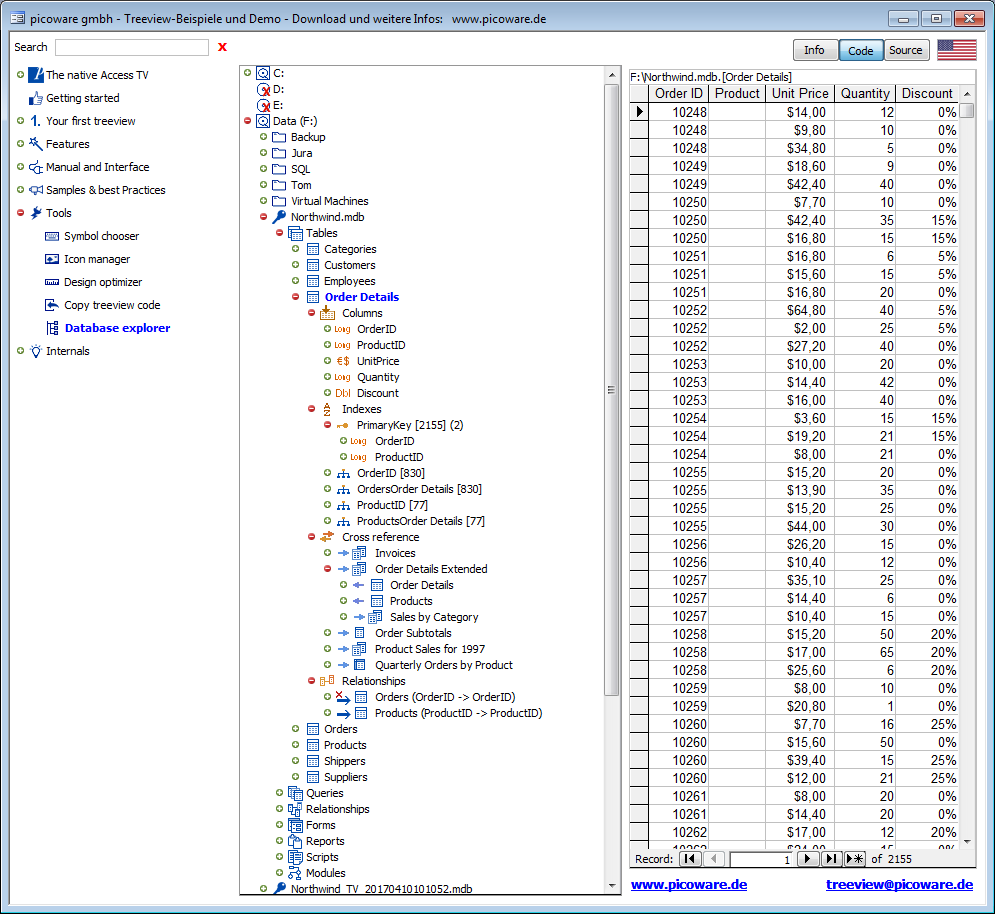
The download of our demo is free, of course - it's an MDE.
However, our customers will receive the corresponding MDB - not crypted and
not locked - and can copy the treeview forms, code and objects as well as all examples into
their own applications. And it works with Access 2016, 2010, 2003 and even with XP - with 32-bit or 64.