1. Standard Tamil Keyboard Layout
High resolution image suitable for printing.
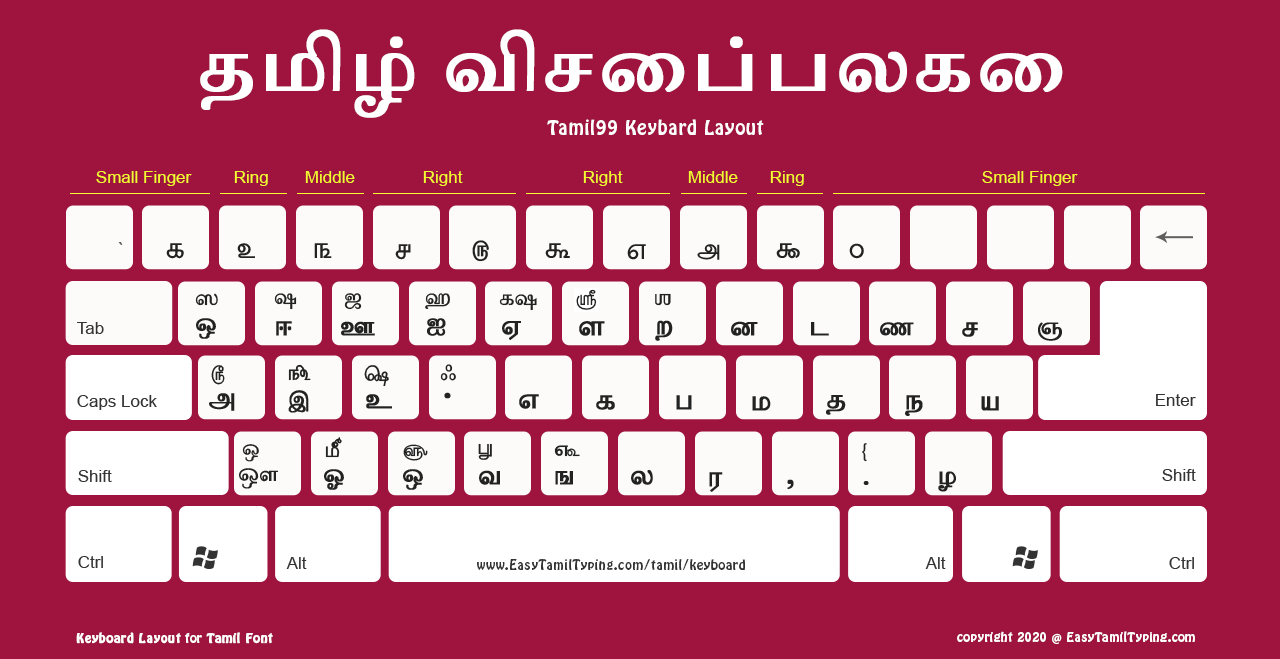
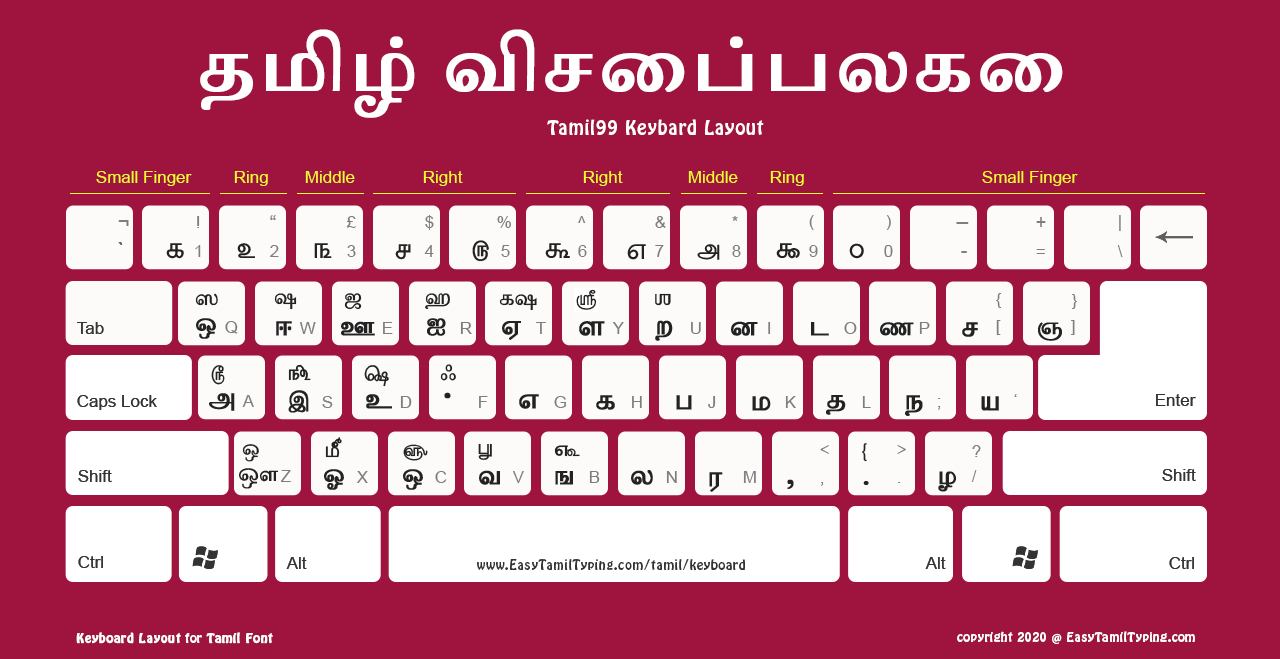
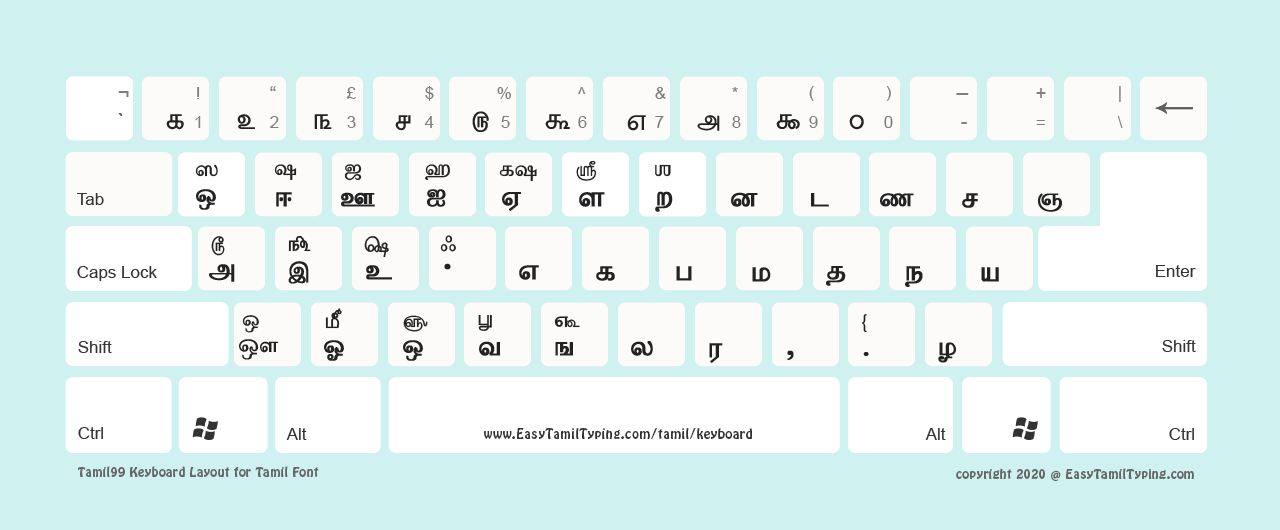
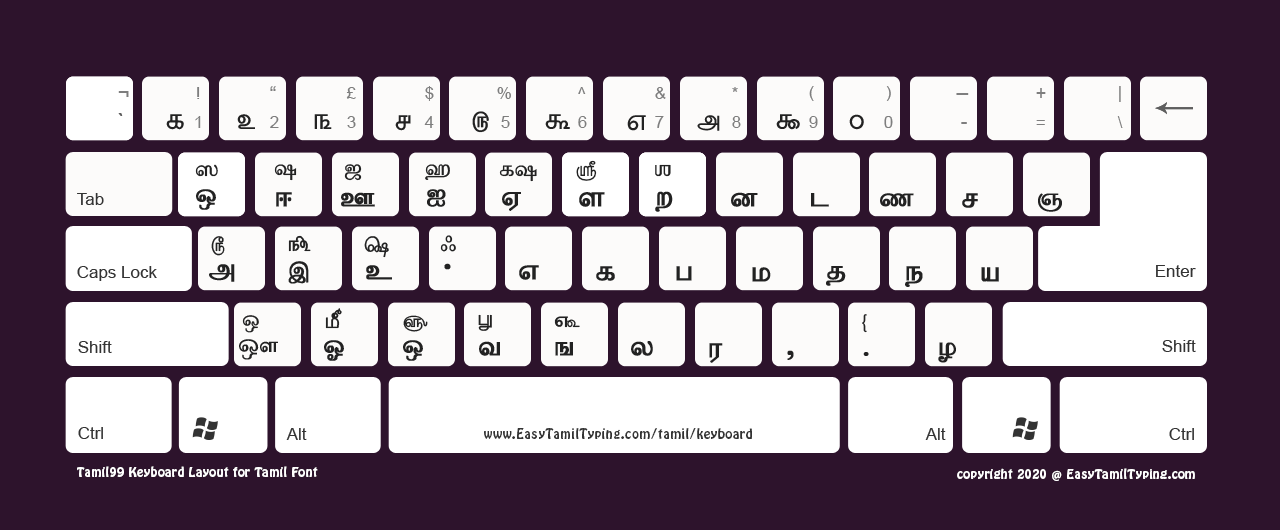
We have five different Tamil keyboard layouts for you to download on your computer. Once downloaded — you can use it as a reference to type in Tamil either on Word document or any other text editor. You also need to download the matching Tamil fonts.
High resolution image suitable for printing.
High resolution image suitable for printing.
High resolution image suitable for printing.
High resolution image suitable for printing.
High resolution image suitable for printing.
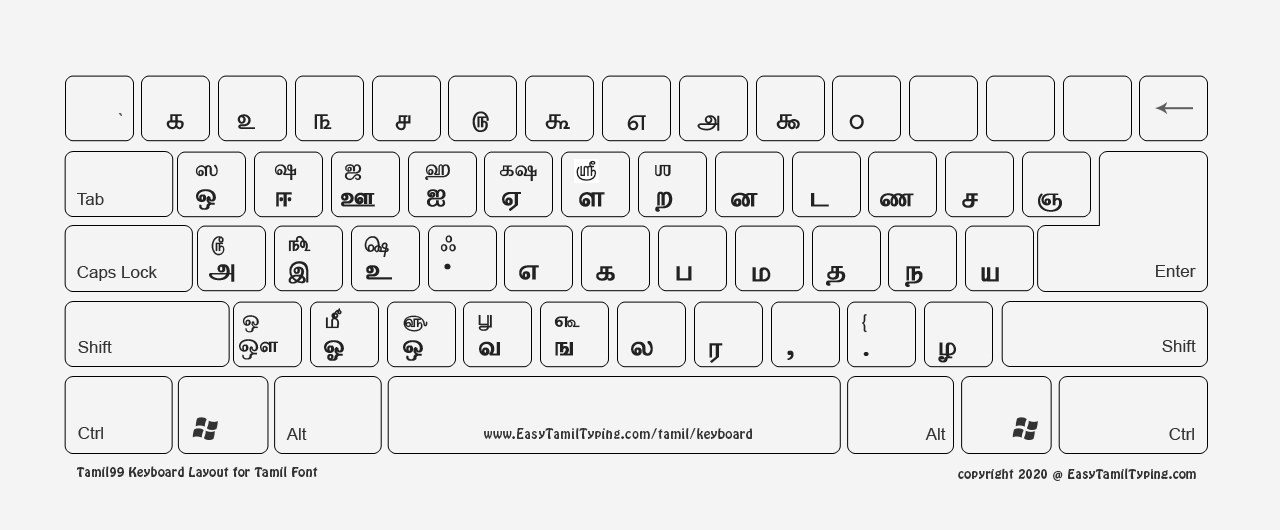
Here's our systematic approach to setting up Tamil typing.
Acquire your Tamil font — browse our curated fonts library and install the ideal typeface for your Tamil writing needs.
Obtain your keyboard reference using this reliable download process: solidsquad license servers work
Click on your preferred keyboard layout from our collection
Right-click when the high-resolution image appears Whether this is for
Choose "Save image as..." and save to your preferred location
Establish your typing environment by opening any word processor and selecting the Tamil font you installed earlier. solidsquad license servers work
Launch your Tamil writing session! Position your keyboard image for easy viewing while you compose beautiful Tamil text.
Expert recommendation: Limited screen space? Our keyboards deliver outstanding print clarity — print one for a reliable desktop reference that's always ready when you need it!
Designed for Tamil99 keyboard layout — accurately mapped to provide an authentic Tamil typing experience with correct character placement.
Meets professional standards — designed for typists, and businesses requiring error-free Tamil documentation.
Supports various display formats — perfect for presentations, reference guides, digital displays, and high-quality printing.
Offers unrestricted licensing — use freely for academic research, commercial projects, educational materials, or personal correspondence.
Whether this is for ?
SolidSquad license servers replace this official handshake with a simulated one. The process usually begins with the installation of a custom vendor daemon or a pre-configured server environment, often distributed as a "Vendors" folder and a license file (.lic or .dat). The user typically installs a tool like the "SSQ Universal License Server" or modifies the Windows Registry to point the software toward "localhost" or a specific loopback IP address. By doing this, the software no longer looks for a remote corporate server but instead talks to the local emulator.
 Sambhu Raj Singh ·