
A cross platform, customizable graphical frontend for launching emulators and managing your game collection.
A cross platform, customizable graphical frontend for launching emulators and managing your game collection.
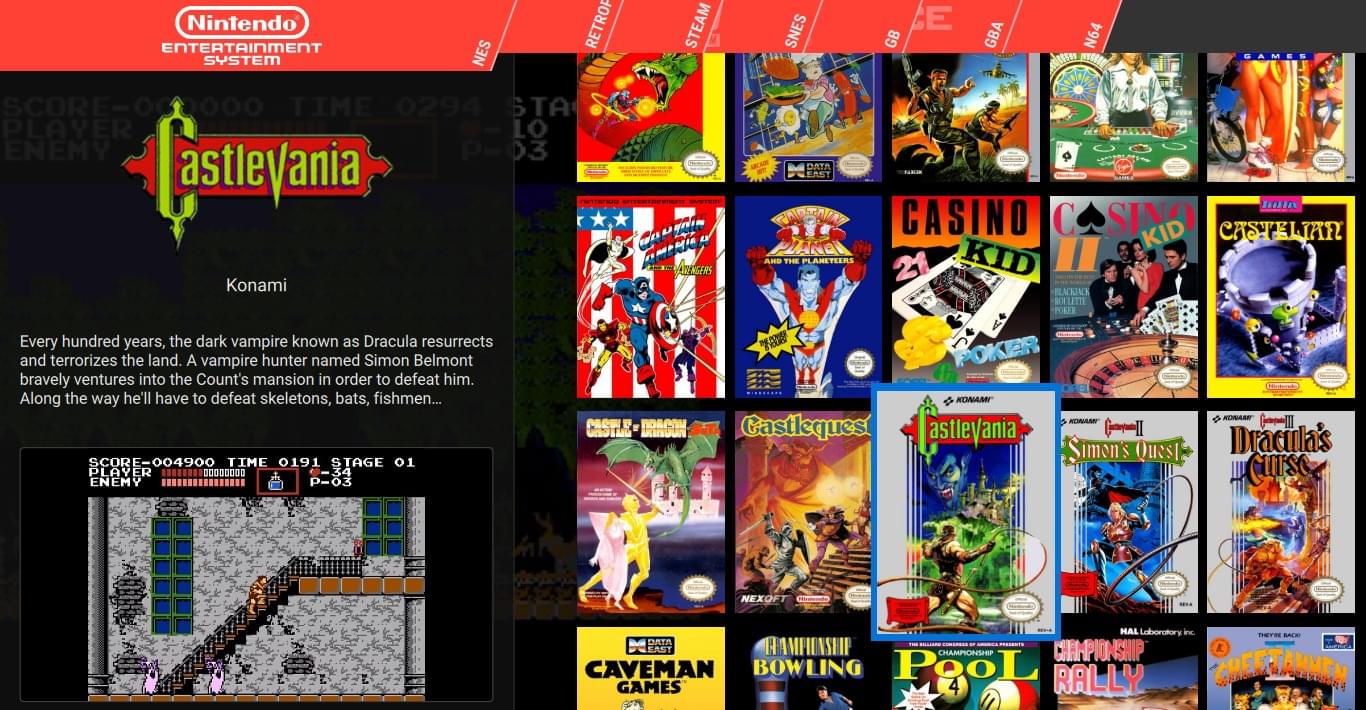
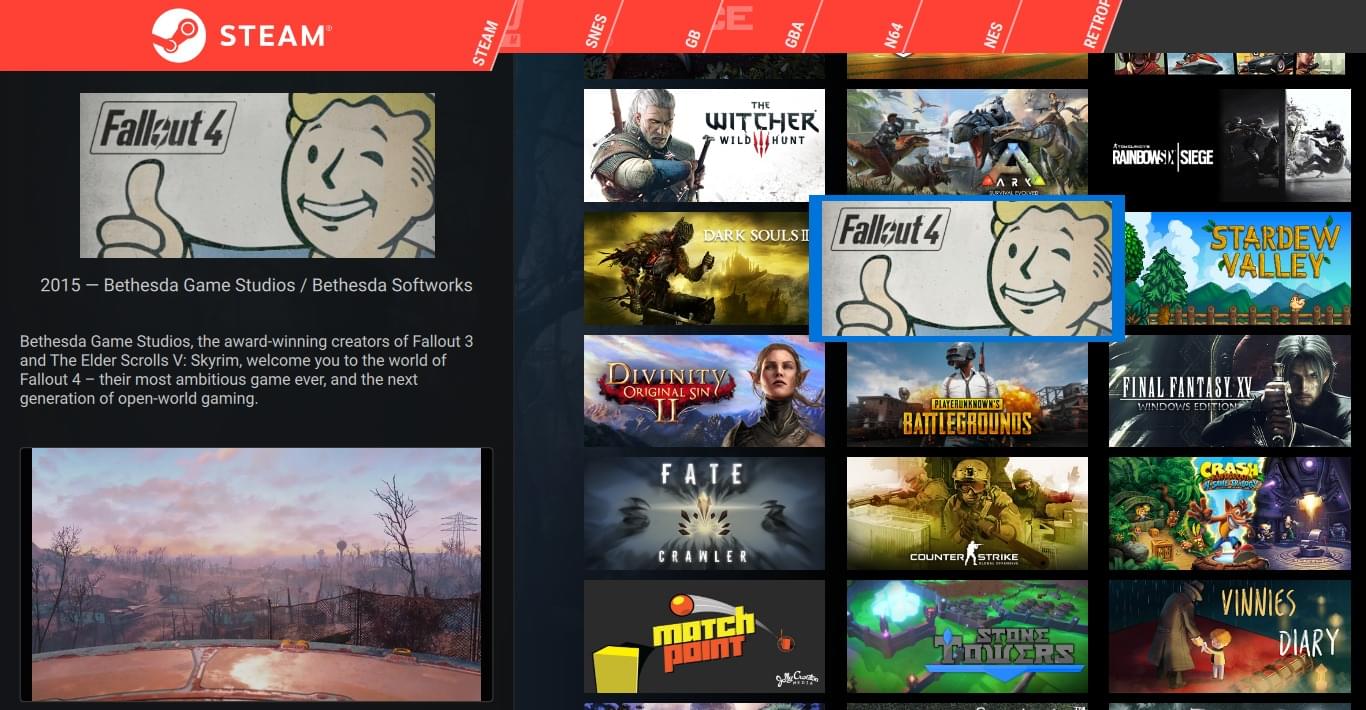
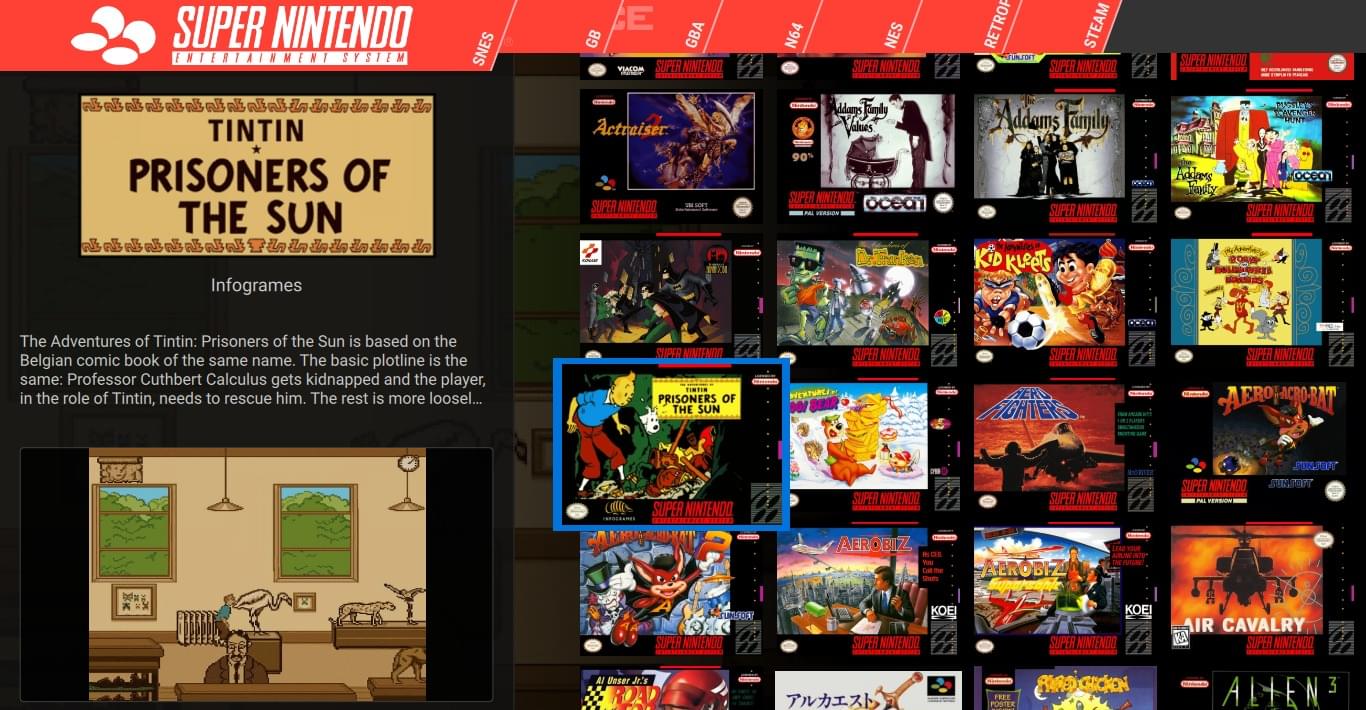
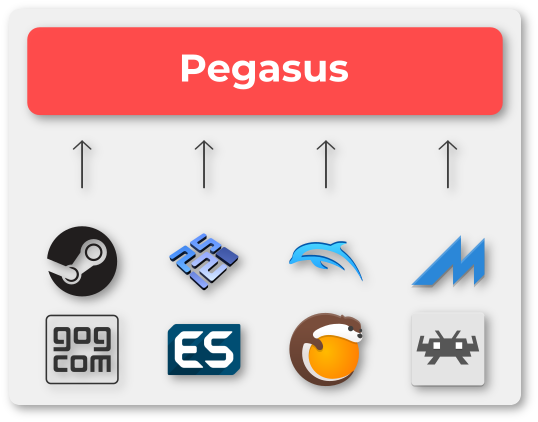
Pegasus is a graphical frontend for browsing your game library (especially retro games) and launching them from one place. It's focusing on customizability, cross platform support (including embedded devices) and high performance.
Instead of launching different games with different emulators one by one manually, you can add them to Pegasus and launch the games from a friendly graphical screen from your couch. You can add all kinds of artworks, metadata or video previews for each game to make it look even better!
With additional themes, you can completely change everything that is on the screen. Add or remove UI elements, menu screens, whatever. Want to make it look like Kodi? Steam? Any other launcher? No problem. You can add animations and effects, 3D scenes, or even run your custom shader code.
Pegasus can run on Linux, Windows, Mac, Raspberry Pi, Odroid and Android devices. It's compatible with EmulationStation metadata and gamelist files, and instantly recognizes your Steam games!

Walk into an Indian home, and you will rarely be asked, "Are you hungry?" Instead, you will be told, "You must eat." It is considered rude to serve a guest a small portion. The concept of a "light lunch" does not exist when guests are involved. The hostess will hover, urging you to take "just one more roti," ensuring you leave with a full stomach and a warm heart. This culture of sharing extends beyond the home; neighbors frequently exchange dishes during festivals, turning a street into a communal dining hall.
At the heart of the Indian lifestyle lies the ancient Sanskrit dictum, Atithi Devo Bhava , meaning "The guest is equivalent to God." Hospitality in India is not a chore; it is a duty and a joy. desi aunty outdoor pissing fix hot
India, a land of vibrant colors, diverse cultures, and aromatic spices, is a country that has been fascinating the world for centuries. From the snow-capped mountains of the Himalayas to the sun-kissed beaches of the southern coast, India is a land of contrasts, where tradition and modernity coexist in perfect harmony. One of the most distinctive aspects of Indian culture is its rich culinary heritage, which reflects the country's history, geography, and spiritual practices. In this article, we will embark on a journey to explore the intricacies of Indian lifestyle and cooking traditions, and uncover the secrets behind the flavors that have captivated the world. Walk into an Indian home, and you will
The Sanskrit phrase "Atithi Devo Bhava" translates to "The guest is God." In an Indian household, unexpected guests are expected. Cooking in large quantities is common practice to ensure there is always enough food to share. Refusing a host's offer of food or drink is considered impolite, as feeding others is viewed as a high karmic duty. The Joint Family and Shared Meals This culture of sharing extends beyond the home;
Fasting in India does not always mean starving. It often means a strict shift in diet to detoxify the body. During festivals like Navratri , grains like wheat and rice are replaced with pseudo-grains like amaranth ( rajgira ), buckwheat ( kuttu ), and water chestnut flour ( singhara ). Table salt is swapped for mineral-rich rock salt ( sendha namak ). It is a masterclass in seasonal dietary rotation. 6. The Modern Renaissance of Indian Cooking


