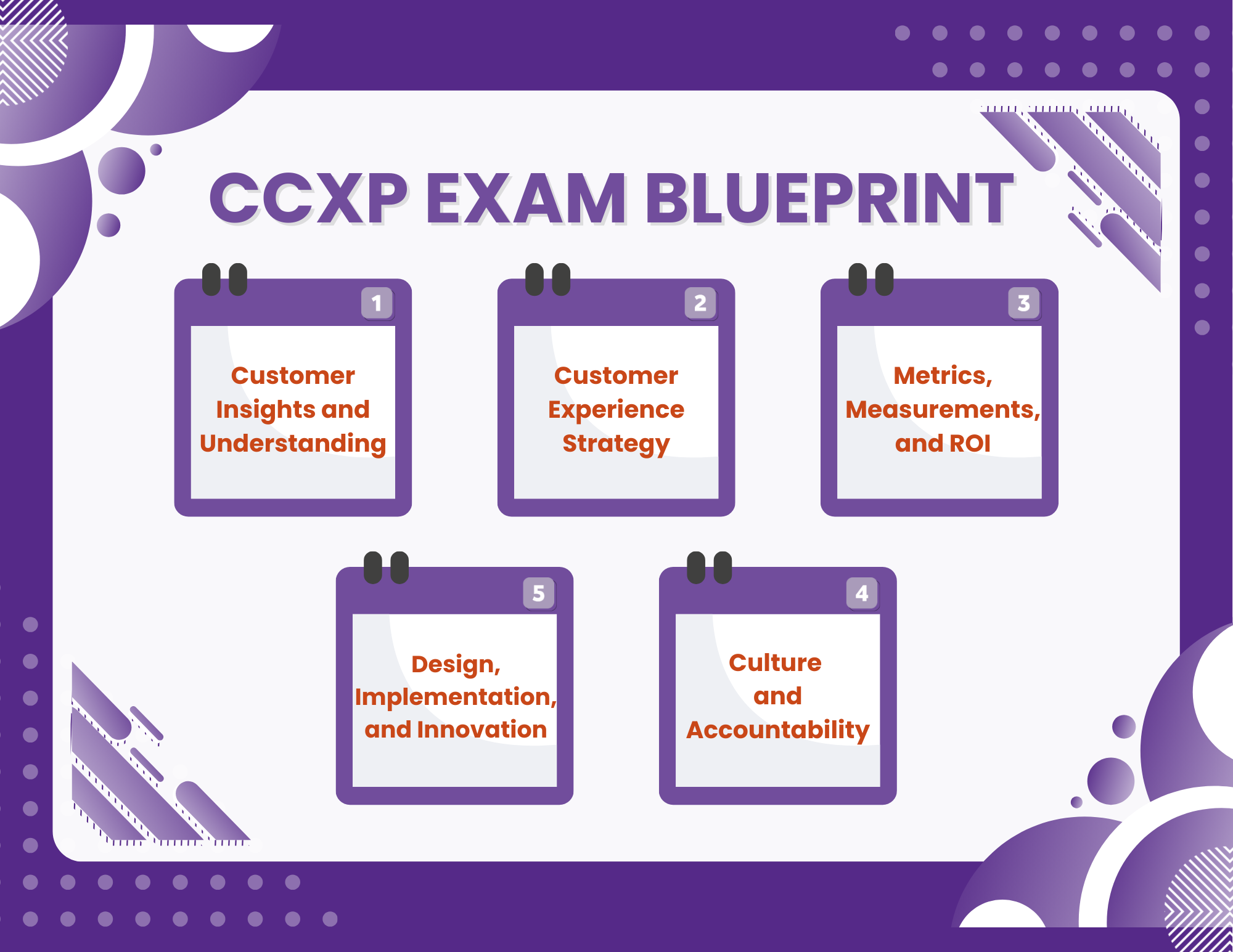
The CCXP exam tests your knowledge across five core competency areas that define excellence in customer experience management.
The exam consists of 100 multiple-choice questions. Minimum passing score is 80.
Please review the CCXP Candidate Handbook (pages 5 - 7) for detailed information on all competencies. ecuti jepara work
Step out for a lunch of Pindang Serani (a sour, spicy local fish soup) to break up the workday and support local culinary businesses.
Do not fine workers for absence (this causes resentment). Instead, offer a Bonus Kehadiran (Attendance bonus).
However, in the informal labor market of Jepara—which is dominated by small-to-medium enterprises (UKM) and informal workshop meubel —"Ecuti" has a dual meaning:
To understand the work in Jepara, one must first grasp its scale. The carving and furniture sector is the economic backbone of the region. It is estimated that the industry employs approximately , working in a vast network of small-scale shops and workshops. This decentralized system is the lifeblood of the industry, with small and medium-scale enterprises (SMEs) accounting for about 95% of total sector production . These are not sprawling factories but often family-run businesses lining the large and little lanes of the city, where skills are passed down through generations.
Foreign furniture brands now collaborate with Jepara workshops via cloud-based platforms. Blueprints, 3D CAD models, and production timelines are shared instantly, allowing custom hospitality furniture projects to be managed remotely.
Step out for a lunch of Pindang Serani (a sour, spicy local fish soup) to break up the workday and support local culinary businesses.
Do not fine workers for absence (this causes resentment). Instead, offer a Bonus Kehadiran (Attendance bonus).
However, in the informal labor market of Jepara—which is dominated by small-to-medium enterprises (UKM) and informal workshop meubel —"Ecuti" has a dual meaning:
To understand the work in Jepara, one must first grasp its scale. The carving and furniture sector is the economic backbone of the region. It is estimated that the industry employs approximately , working in a vast network of small-scale shops and workshops. This decentralized system is the lifeblood of the industry, with small and medium-scale enterprises (SMEs) accounting for about 95% of total sector production . These are not sprawling factories but often family-run businesses lining the large and little lanes of the city, where skills are passed down through generations.
Foreign furniture brands now collaborate with Jepara workshops via cloud-based platforms. Blueprints, 3D CAD models, and production timelines are shared instantly, allowing custom hospitality furniture projects to be managed remotely.