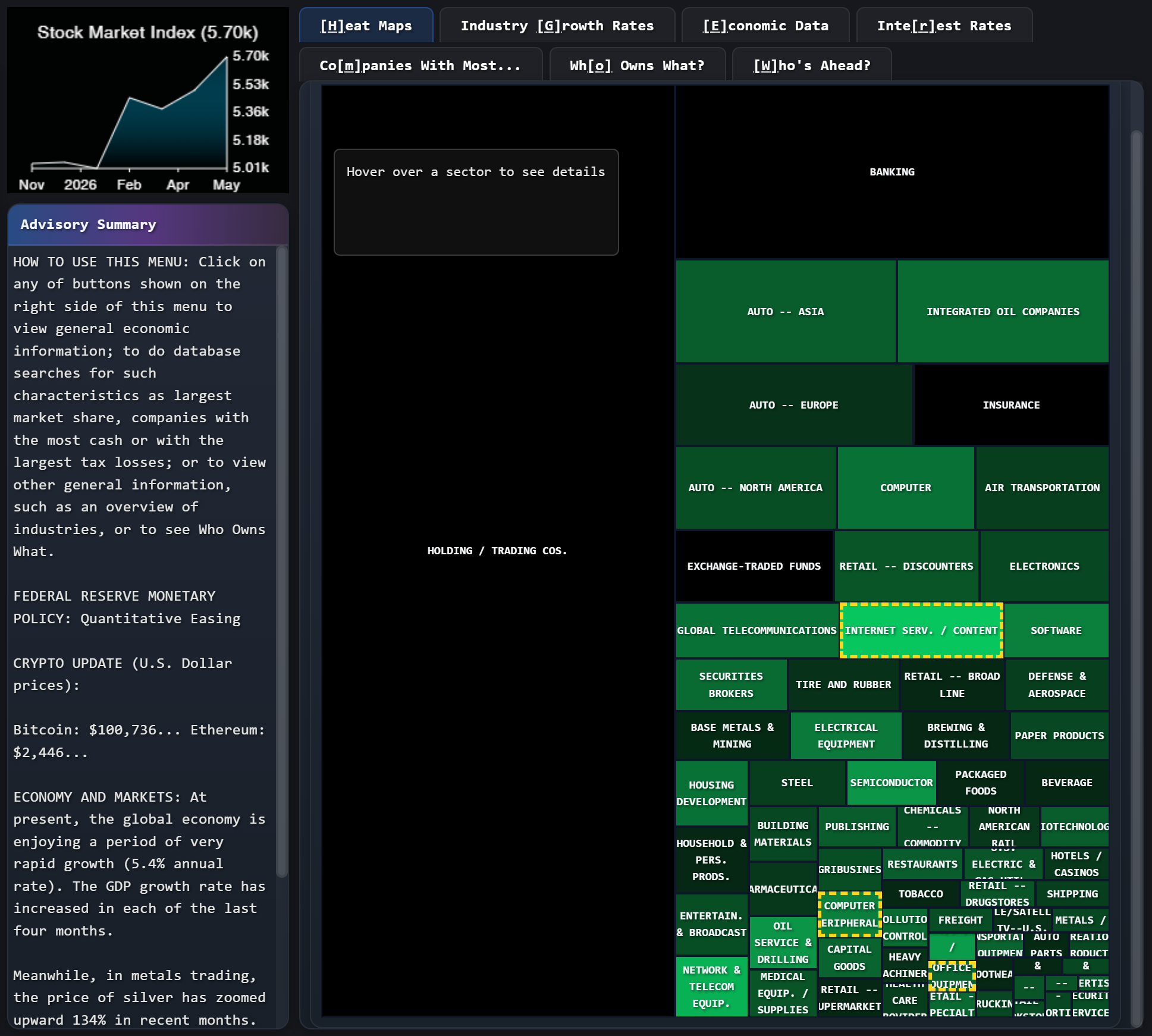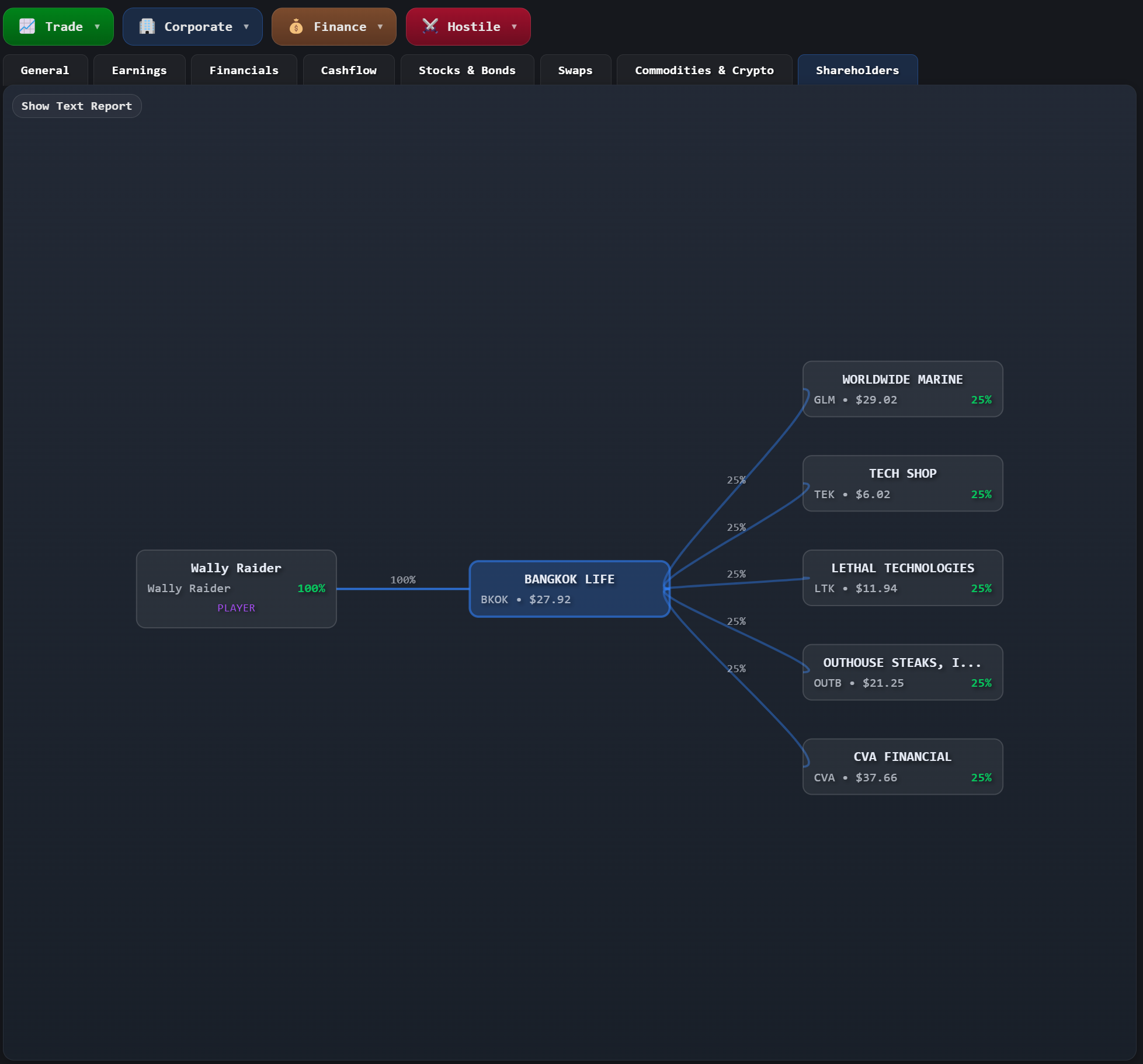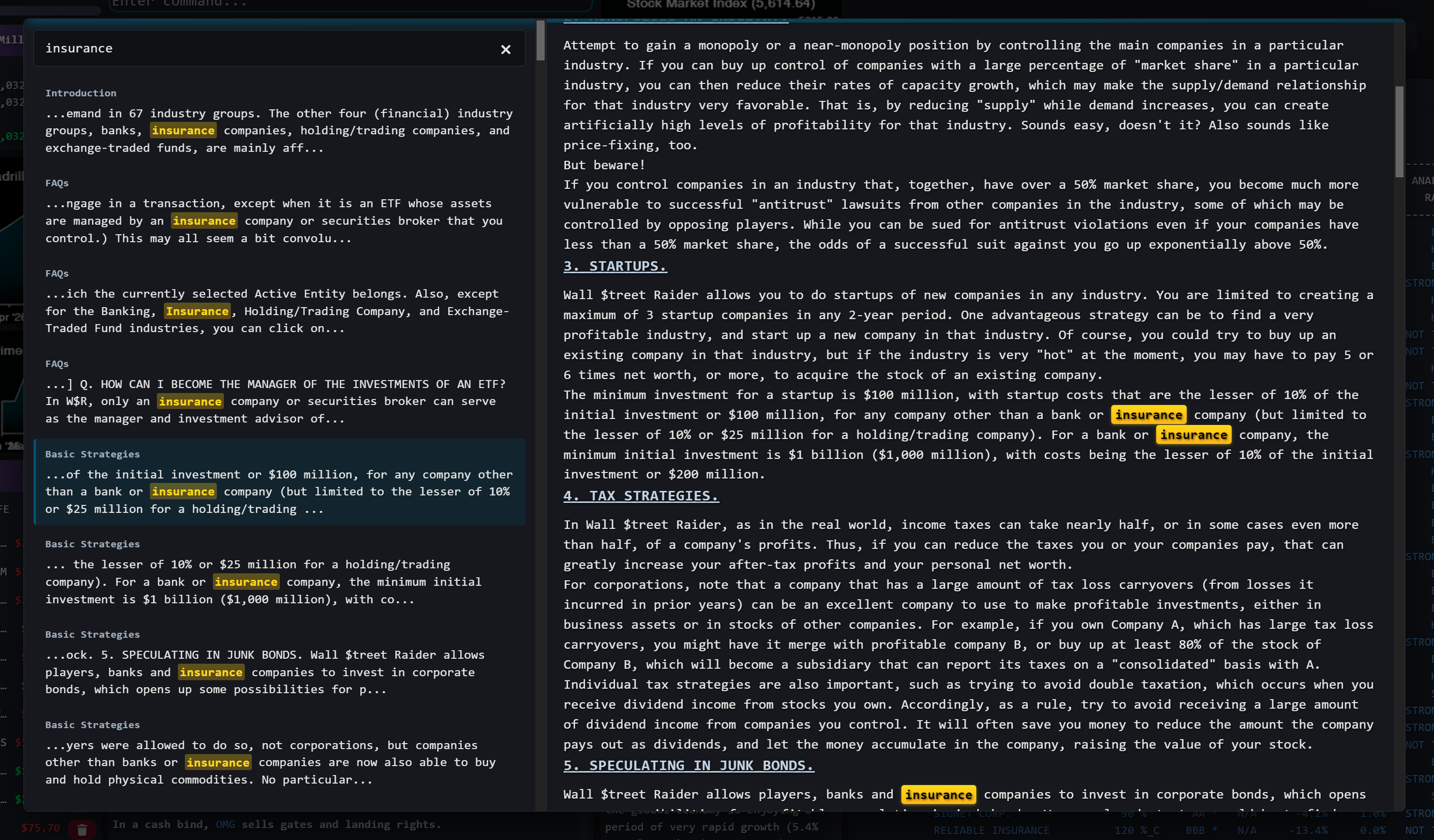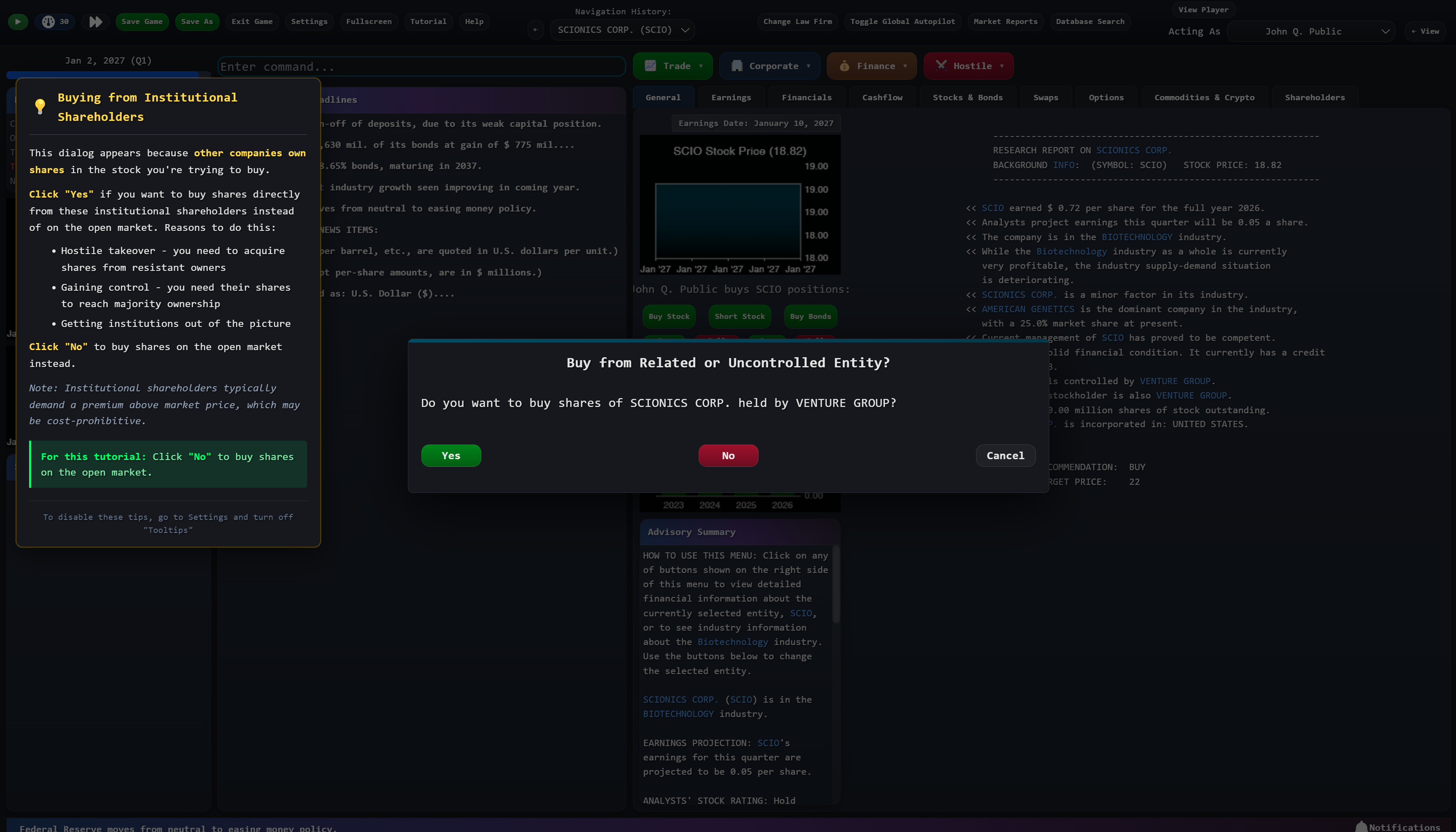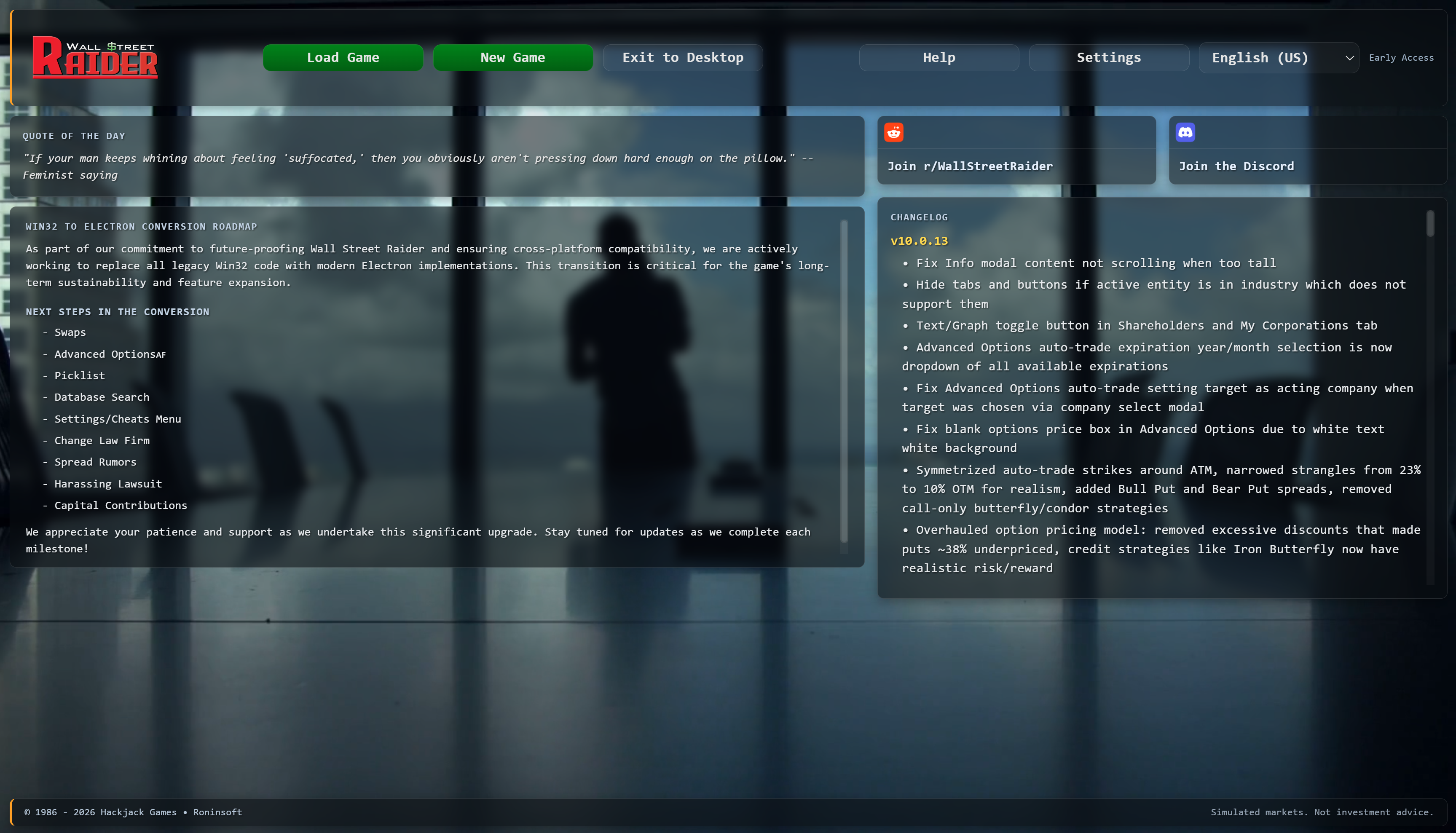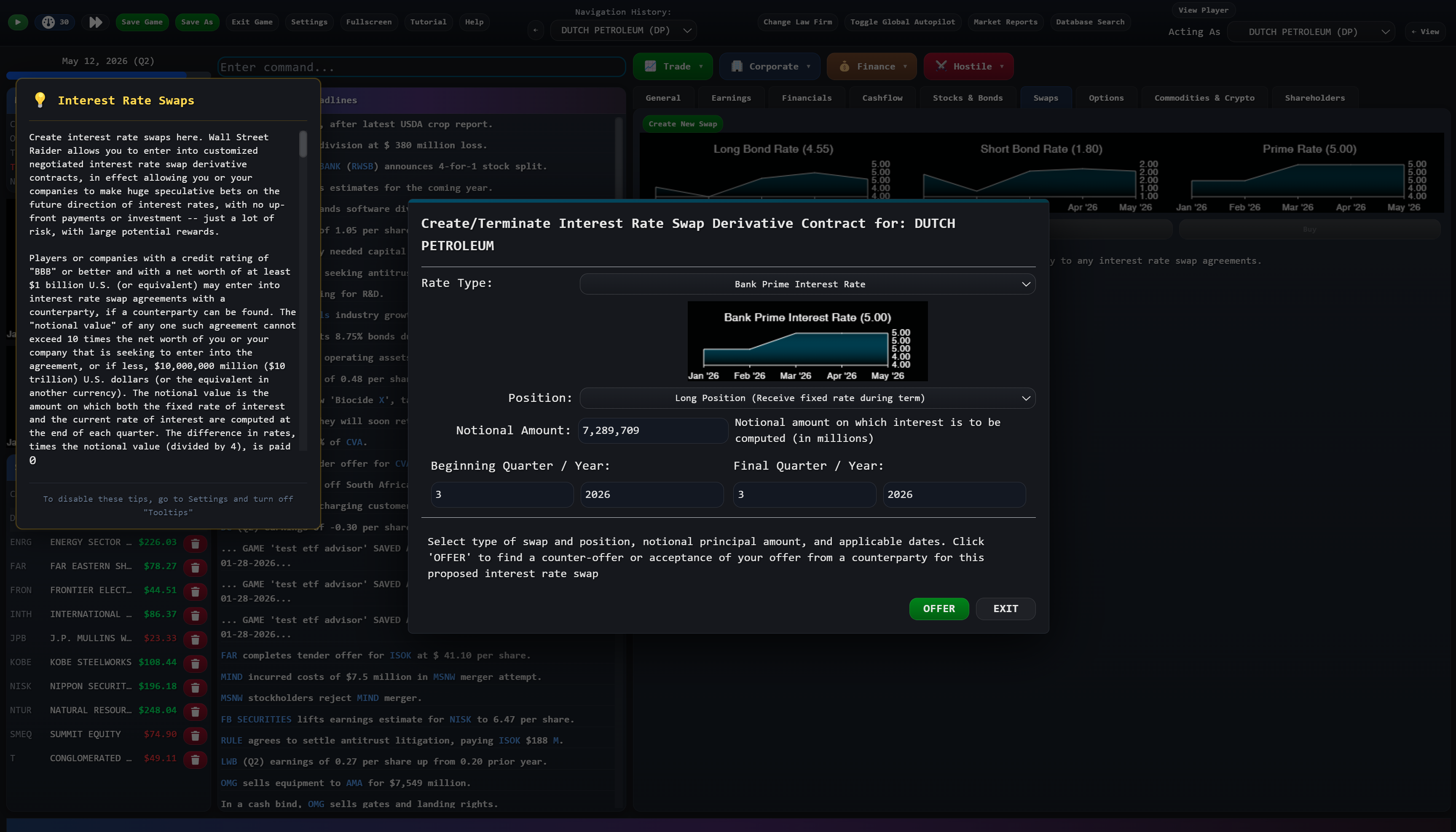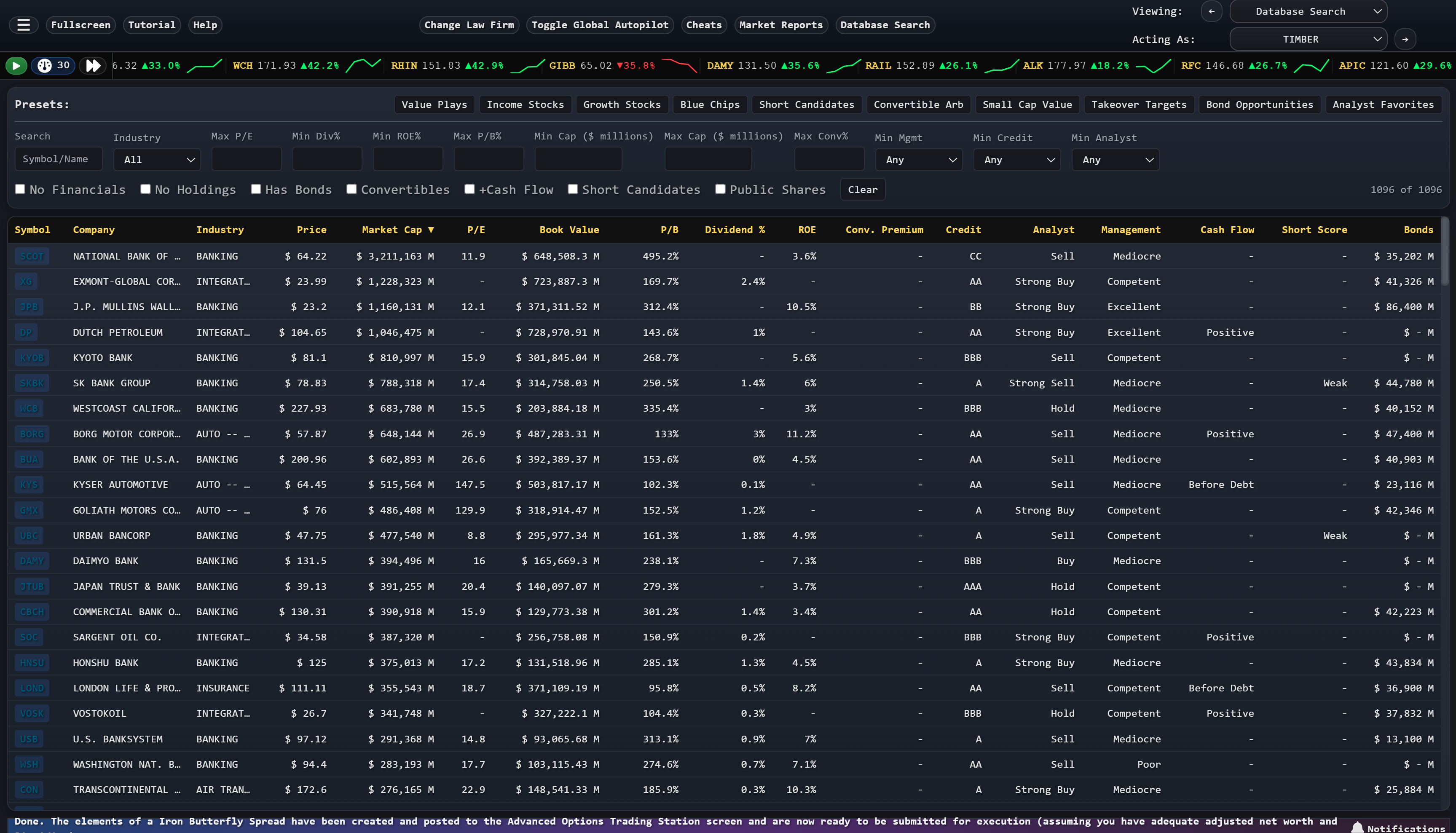
Wall Street Raider game dashboard

Since 1986 • 40 years of continuous development

The Zx Spectrum Ula How To Design A Microcomputer Zx Design Retro Computer Portable [cracked] Guide

The most comprehensive financial simulation ever made. Trade stocks, bonds, options, futures, and more across 1,600 simulated companies. Now remastered for Steam.
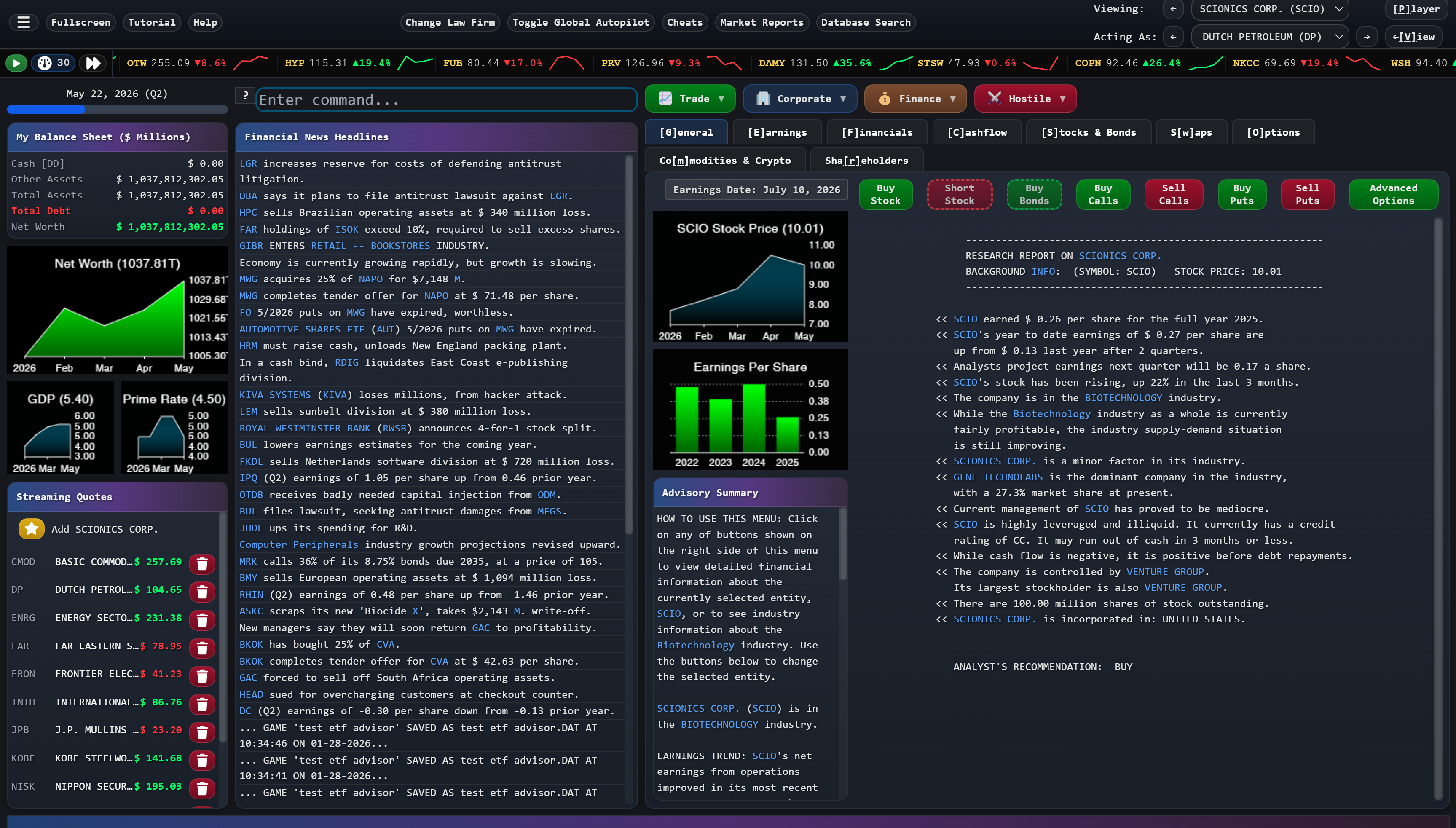
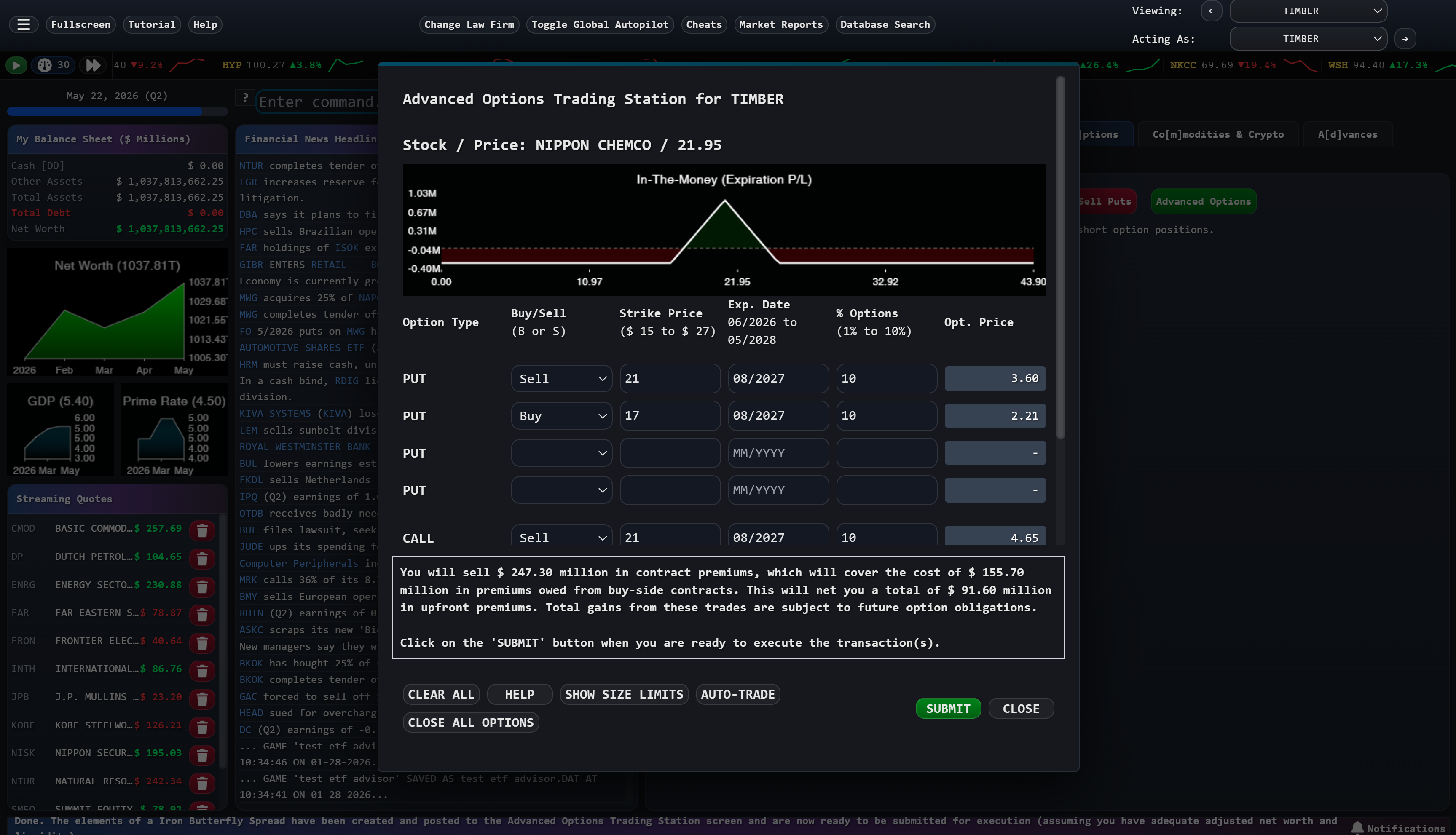
Wall Street Raider main terminal - live stock quotes, financial news, earnings charts, research reports, and analyst summaries

The Zx Spectrum Ula How To Design A Microcomputer Zx Design Retro Computer Portable [cracked] Guide

: Ideal if you want to build a hardware replacement drop-in chip for an original board. Altera/ Intel Cyclone IV Go to product viewer dialog for this item. ICE40 FPGA Go to product viewer dialog for this item.

Solution: If using software emulation, implement cycle counters that pause the virtual Z80 execution loop whenever the virtual beam enters the active screen drawing space. If using an FPGA, implement dual-port RAM structures or arbiter state machines that prioritize video reads over CPU reads during active display windows. : Ideal if you want to build a

Finally, you need a way to get data out. The original Spectrum used a clever memory contention model. The ULA would halt the Z80 CPU while it grabbed screen data from the RAM. On a breadboard, you would implement this with additional flip-flops and delay logic. The original Spectrum used a clever memory contention model

If the Z80 CPU tries to read or write to this lower 16KB while the ULA is drawing the visible part of the screen, the ULA physically halts the Z80 by pulling the CPU's WAIT line low. This is known as . When designing a custom microcomputer, your memory controller logic must precisely emulate this contention if you want 100% compatibility with timing-dependent retro software and demo-scene effects. Video Generation and Graphical Quirks Solution: If using software emulation

The ULA reads a 6.14K pixel map and a 768-byte attribute map from the lower 16KB of RAM.

Screenshots

Changing Lives Since 1986

"An 'imaginative, stimulating' business simulation."
— Investors Business Daily (front page article)
"I've been playing your game since I was 13 years old. Couldn't even afford to buy the full version. So I played the two-year version for years and years. And it taught me so much that now I'm working for Morgan Stanley as a forex trader in Shanghai."
— Wall Street Raider player
"It's like the Dwarf Fortress or Aurora 4X of the stock market. There really is nothing like it on the market."
— Outsider Gaming
"I've seen the source code of the game and I still can't beat it."
— Ben Ward, Lead Developer (Steam remaster)

See Wall Street Raider In Action

40 Years. One Creator. Zero Formal Training.

In 1967, a Harvard Law student began filling notebooks with ideas for a corporate board game. In 1984, he taught himself to program in one night. By 1986, he'd retired from law to build what would become the most comprehensive financial simulation ever made. JP Morgan developers failed to modernize it. Disney game studios tried and gave up. Then a 29-year-old full-stack developer found it on Reddit.

Read the Full Story →

Become a Wall Street Baron

The most realistic Wall Street simulation ever made is coming to Steam.